

Charles Bush Photography October 2026 Newsletter
October is here, and that means we’re getting close to one of my favorite times of the year for photographing Louisiana’s cypress swamps.
In just a few weeks, I’ll be back on the water with photographers exploring these remarkable landscapes. At the same time, I’m looking ahead to next spring, when Louisiana’s lakes and wetlands become some of the most productive locations in the country for photographing nesting wading birds.
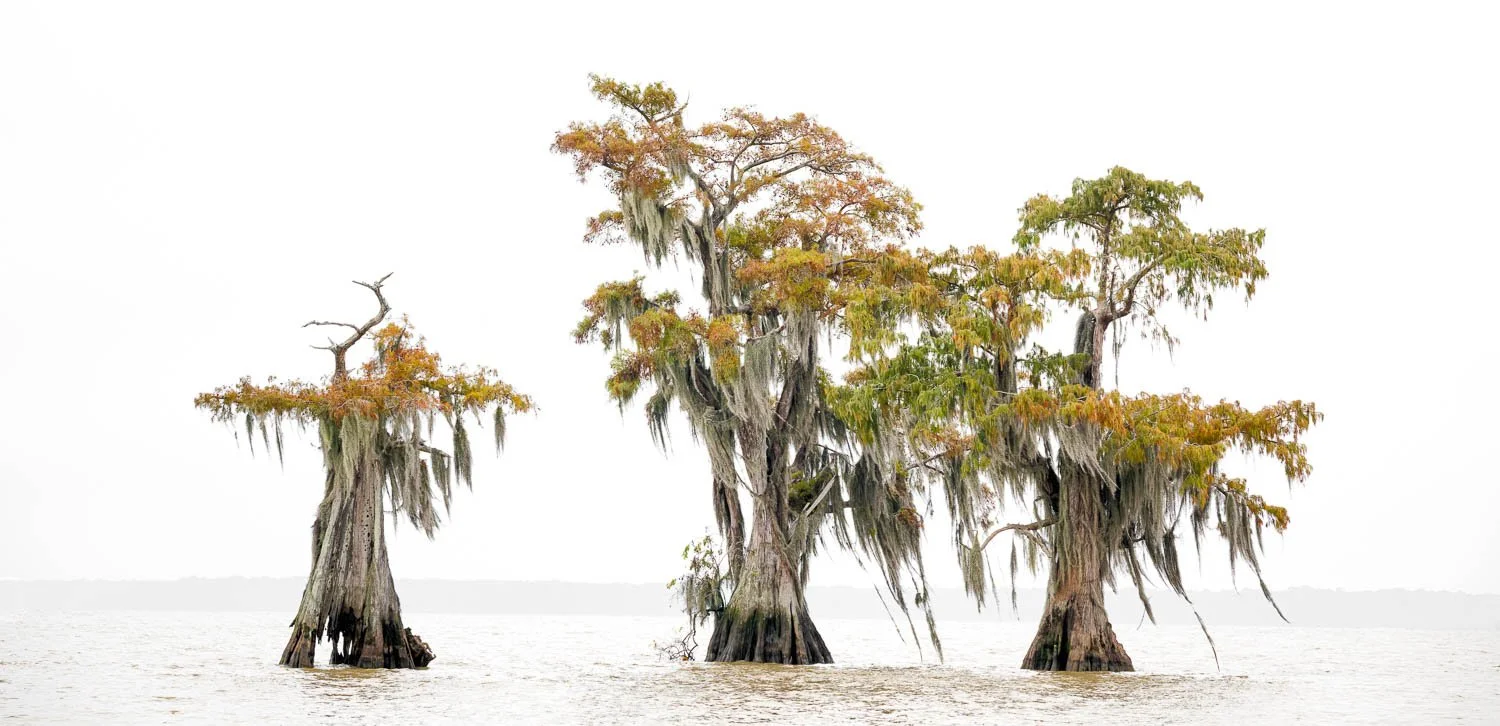
Colorful Cypress on a Foggy Day at Lake Fausse Pointe
Fall Cypress Swamps, Spring Wading Birds, and Preparing for Your Next Photo Adventure
October is here, and that means we’re getting close to one of my favorite times of the year for photographing Louisiana’s cypress swamps.
In just a few weeks, I’ll be back on the water with photographers exploring these remarkable landscapes. At the same time, I’m looking ahead to next spring, when Louisiana’s lakes and wetlands become some of the most productive locations in the country for photographing nesting wading birds.
This month, I want to share an update on our upcoming tours, introduce some of the photographic opportunities awaiting us next spring, and offer advice on preparing for a successful photography tour.
Fall Cypress Photography Tours — Two Spaces Remaining
Our November and December cypress swamp photography tours are nearly full, but two spaces remain on the November 30–December 3 tour.
Late autumn is a wonderful time to explore Louisiana’s cypress swamps. As the season progresses, the cypress trees begin changing color, creating opportunities to photograph their reflections in the still waters of the swamp.
One of the things I enjoy most about photographing these landscapes is that conditions are never exactly the same. The light, water levels, weather, and changing foliage all influence the photographs we can make.
Whether we’re photographing reflections in the early morning light, exploring the shapes and textures of ancient cypress trees, or working with atmospheric conditions, there is always something interesting to discover.
Only two spaces remain on our final fall tour.
[Learn More About the Fall Cypress Photography Tours]
[View a Slideshow with images from the 2025 Tours}
Spring 2027 — Photographing Louisiana’s Wading Birds
Miller’s Lake and Cazan Lake
Spring brings an entirely different photographic experience to Louisiana.
While our fall tours concentrate primarily on landscapes, our spring tours focus on photographing nesting wading birds at two remarkable locations: Miller’s Lake and Cazan Lake.
These lakes provide opportunities to photograph wading birds during one of the most interesting periods of their annual life cycle.
As breeding season progresses, birds develop their colorful breeding plumage, establish nesting territories, engage in courtship behavior, and begin raising their young.
For photographers, this creates opportunities that go well beyond traditional bird portraits.
Miller’s Lake — An Extraordinary Bird Photography Destination
Miller’s Lake has long been one of my favorite locations for photographing Louisiana’s wading birds.
The concentration of nesting birds can provide opportunities to photograph several species, often displaying interesting behaviors.
Depending on the timing of our visit, we may encounter birds in breeding plumage, courtship displays, nest-building activity, or adults tending their young.
One of the advantages of working from a boat is the opportunity to photograph birds from a low perspective, often with backgrounds that would be difficult to achieve from shore.

Cattle Egrets Building their Nest
Cazan Lake — Another Perspective on Spring Bird Photography
Cazan Lake offers additional opportunities to photograph Louisiana’s nesting wading birds.
Every location has its own character, and photographing at multiple lakes gives us the flexibility to respond to changing conditions and bird activity.
The goal isn’t simply to photograph as many birds as possible. It’s to recognize opportunities for compelling images, paying attention to light, backgrounds, composition, and behavior.
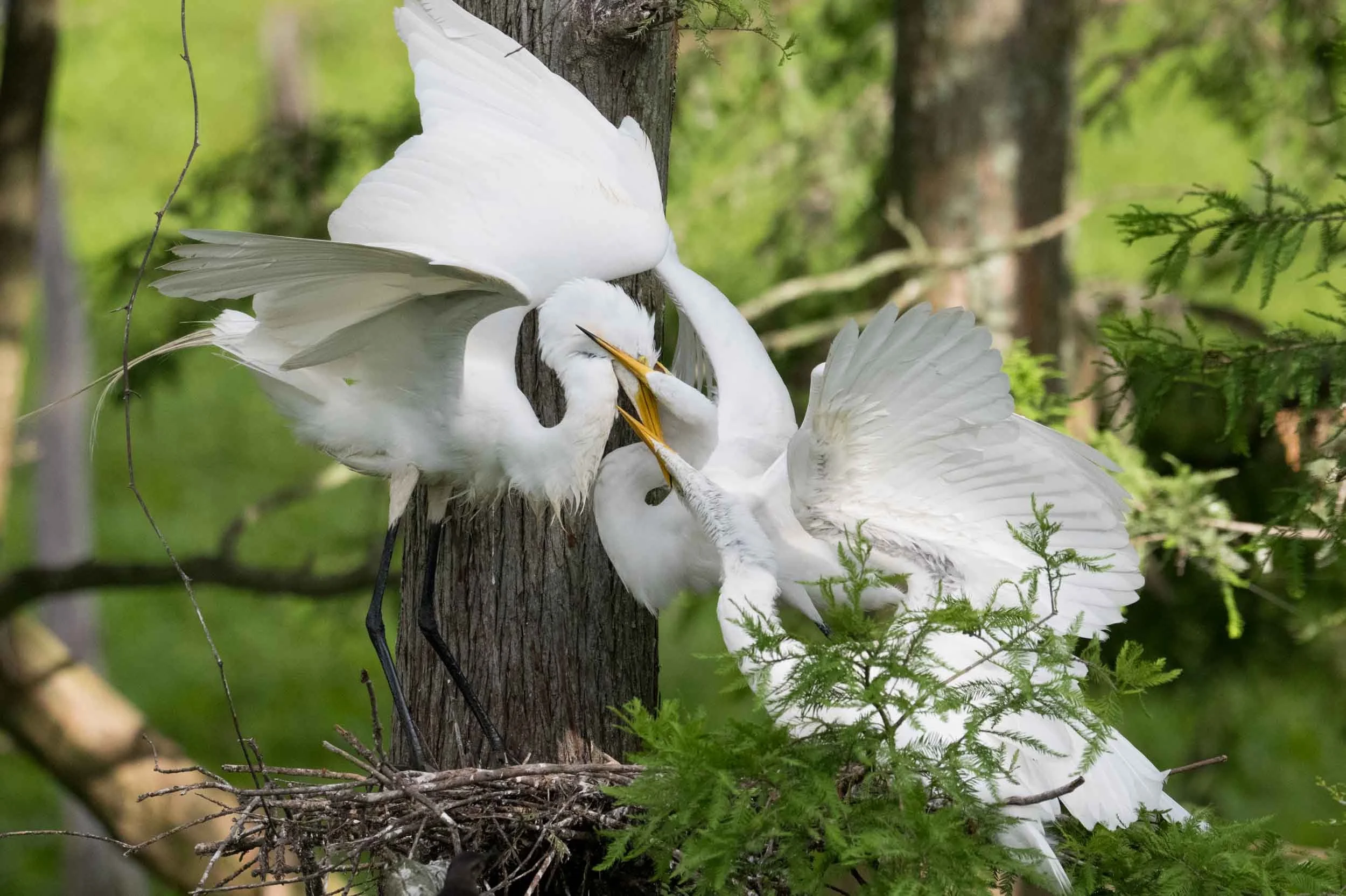
Great Egret Feeding its chicks at Cazan Lake
Spring 2027 Tour Dates
Our spring photography tours are scheduled for:
April 18–21, 2027
May 16–19, 2027
June 6–9, 2027
Each tour offers a somewhat different perspective on the nesting season as the birds progress through their breeding cycle.
[Explore the Spring 2027 Photography Tours]
[View a Slideshow of Photographs taken on the 2026 Spring Tours]
Preparing for Louisiana Swamp Photography — What You Should Know
Whether you’re planning to photograph Louisiana’s nesting birds in spring or the colorful cypress swamps in fall, a little preparation can make a tremendous difference.
After years of photographing these wetlands, I’ve learned that Louisiana weather can be surprisingly unpredictable. I’ve experienced chilly spring mornings with temperatures in the 50s and fall excursions when temperatures dropped into the 30s. Traveling across open water in a boat can make even a relatively mild morning feel considerably colder.
Choosing the right clothing is important, but there are other considerations as well, including camera equipment, protecting your gear from water, and something many photographers overlook: the potential damage sunscreen and insect repellent can cause to photographic equipment.
I’ve put together a guide covering choosing the proper clothing to photograph in the Swamp. I also plan additional articals on the other considerations as well, so stay tuned.
[Read the Guide: Preparing for Louisiana Swamp Photography — Choosing Clothing]
I’m looking forward to getting back into Louisiana’s swamps in November and sharing these remarkable landscapes with the photographers joining me. And with spring just around the corner, I’m already anticipating another exciting season photographing Louisiana’s nesting wading birds.

Charles Bush
http://www.charlesbushphoto.com
charlie@charlesbushphoto.com
985 223-4708

Charles Bush Photography August Newsletter
Photography Close to Home
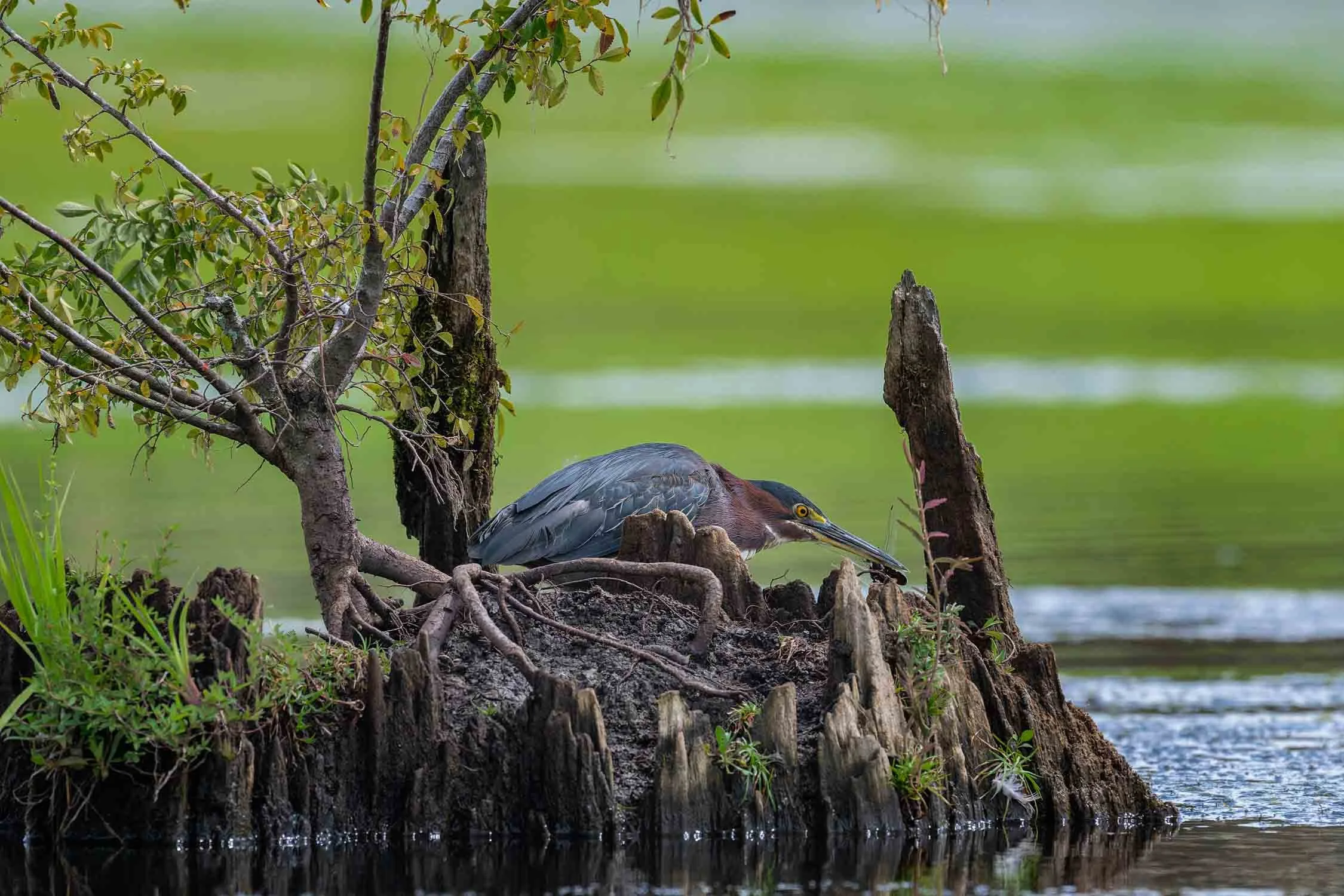
Sometimes the best photography opportunities are much closer than we expect.
Since moving to Thibodaux, I’ve discovered that the body of water behind the house — which the neighborhood calls Abbey Lake, although it looks more like a pond to me — can be a surprisingly good place for Louisiana wildlife photography.
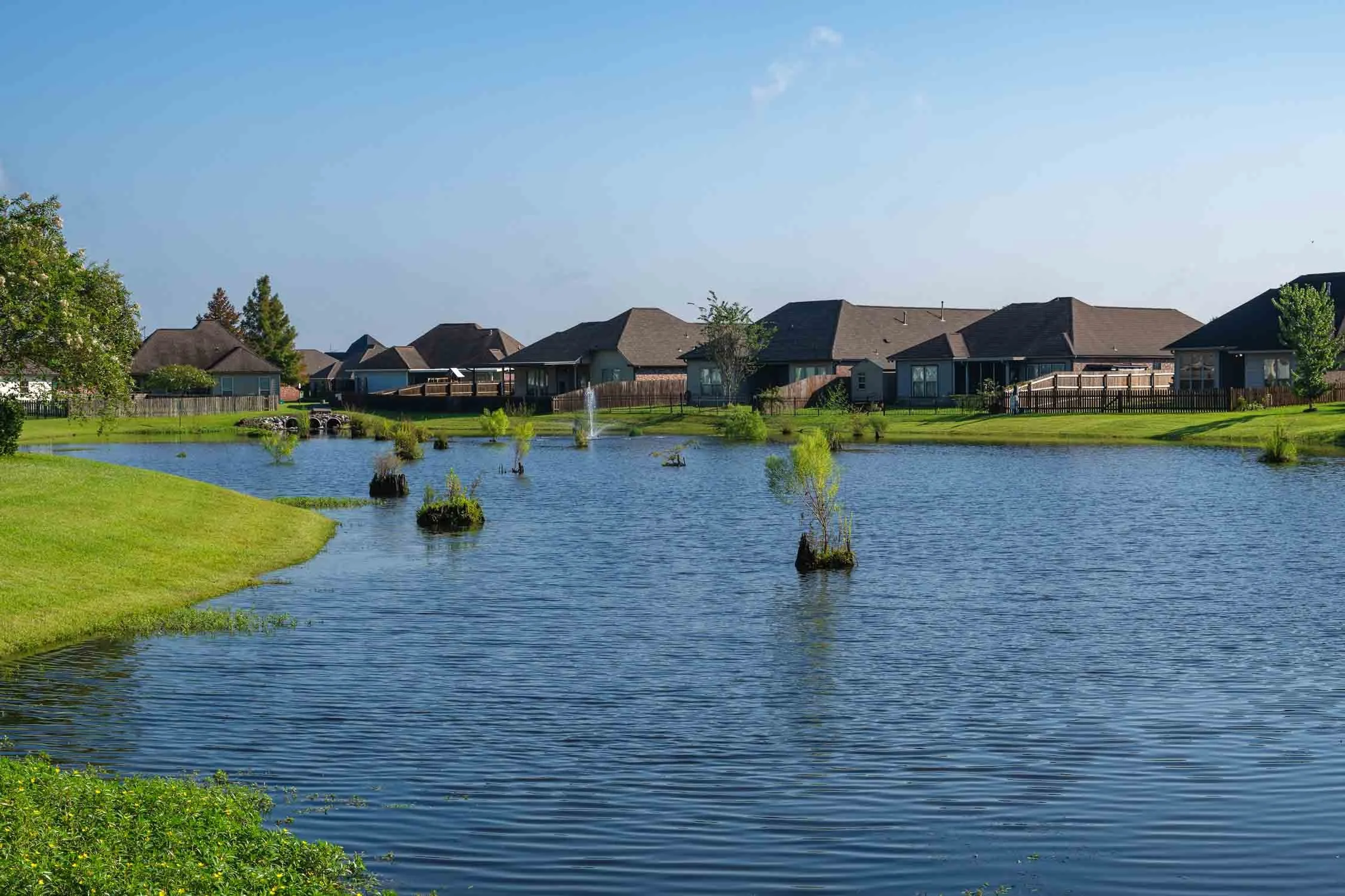
I haven’t had a lot of time to simply stand outside and photograph, but I’m continually noticing birds and other wildlife around the water.
The Green Heron pictured here is a good example. I wasn’t out looking for birds at all. I was mowing the lawn when I noticed it along the edge of the water. I stopped, grabbed the camera, and was able to make a few photographs.
A Surprising Variety of Wildlife
So far, I’ve seen quite a variety around Abbey Lake, including:
Green Herons
Anhingas
Large numbers of Black-bellied Whistling-Ducks
Mallards
And even a Bald Eagle flying overhead with a duck in its talons
There are undoubtedly more that I simply haven’t had time to notice yet.
It’s certainly not the same as heading out into the Louisiana swamps specifically to photograph wildlife, but it’s a nice reminder that wildlife photography opportunities can turn up almost anywhere — sometimes literally right behind the house.
Fall 2026 Cypress Swamp Photography Tour — November 30–December 3
2 spaces available
Fall is one of my favorite times to photograph Louisiana’s cypress swamps. Changing cypress colors, Spanish moss, reflections, and early-morning conditions give the swamps an entirely different character from what we see in spring.
Spring 2027 Louisiana Swamp Photography Tours
Spring brings nesting wading birds, breeding plumage, alligators, and the lush green landscape of the Louisiana swamps.
April 18–21, 2027 — 2 spaces available
May 16–19, 2027 — 5 spaces available
June 6–9, 2027 — 2 spaces available

July 2026 Newsletter: Fall Tour Openings & Updates
Summer is moving quickly, and I wanted to share a few updates about upcoming photography tours and a new article on my website.
Fall Tour Openings

Two Openings Available on the November 30 – December 3 Cypress Swamp Photography Tour
Due to a recent schedule change, two spaces have become available on my November 30 – December 3, 2026 Cypress Swamp Photography Tour.
While the peak fall color has usually passed by early December, this time of year often provides the best opportunities for fog and mist. Many of my favorite cypress swamp photographs have been made during these quiet mornings when layers of fog drift through the trees, creating beautiful light and a peaceful atmosphere that is difficult to find at other times of the year.
If you’ve been considering joining us this fall, I’d love to have you along.
Learn more about the Fall Tour:
⸻
Spring 2027 Tours Are Filling
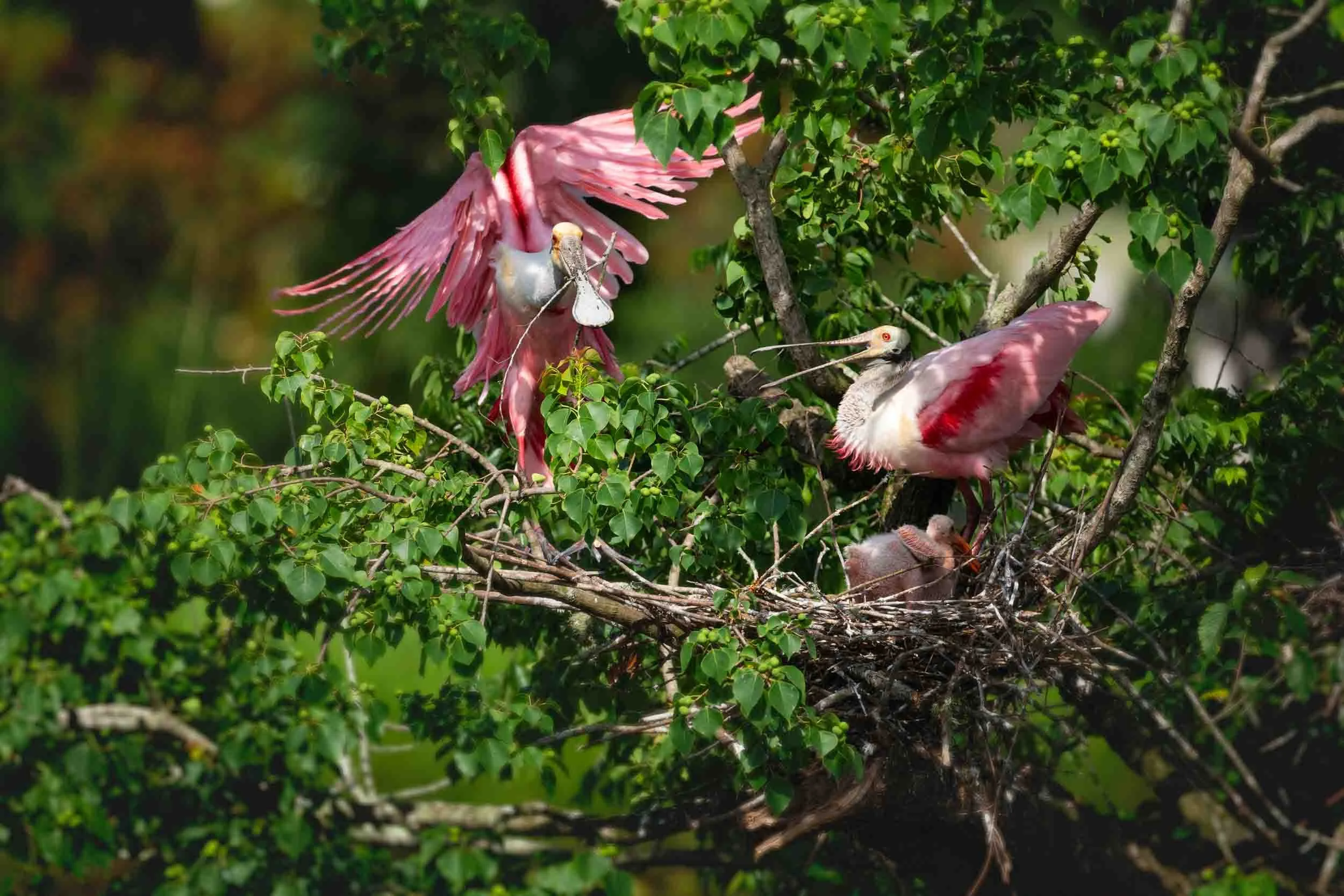
Reservations continue to come in for the 2027 spring workshops, and two of the tours are already nearing capacity.
* April 18–21, 2027 – 2 spaces remaining
* June 6–9, 2027 – 2 spaces remaining
Each spring tour is scheduled to coincide with a different stage of the nesting season, providing opportunities to photograph everything from courtship displays and nest building to chicks as they grow and prepare to fledge.
If you’re thinking about photographing Louisiana’s spectacular bird rookeries next spring, I encourage you to reserve your space while openings are still available.
⸻
New on the Blog – Alligators in Bird Rookeries
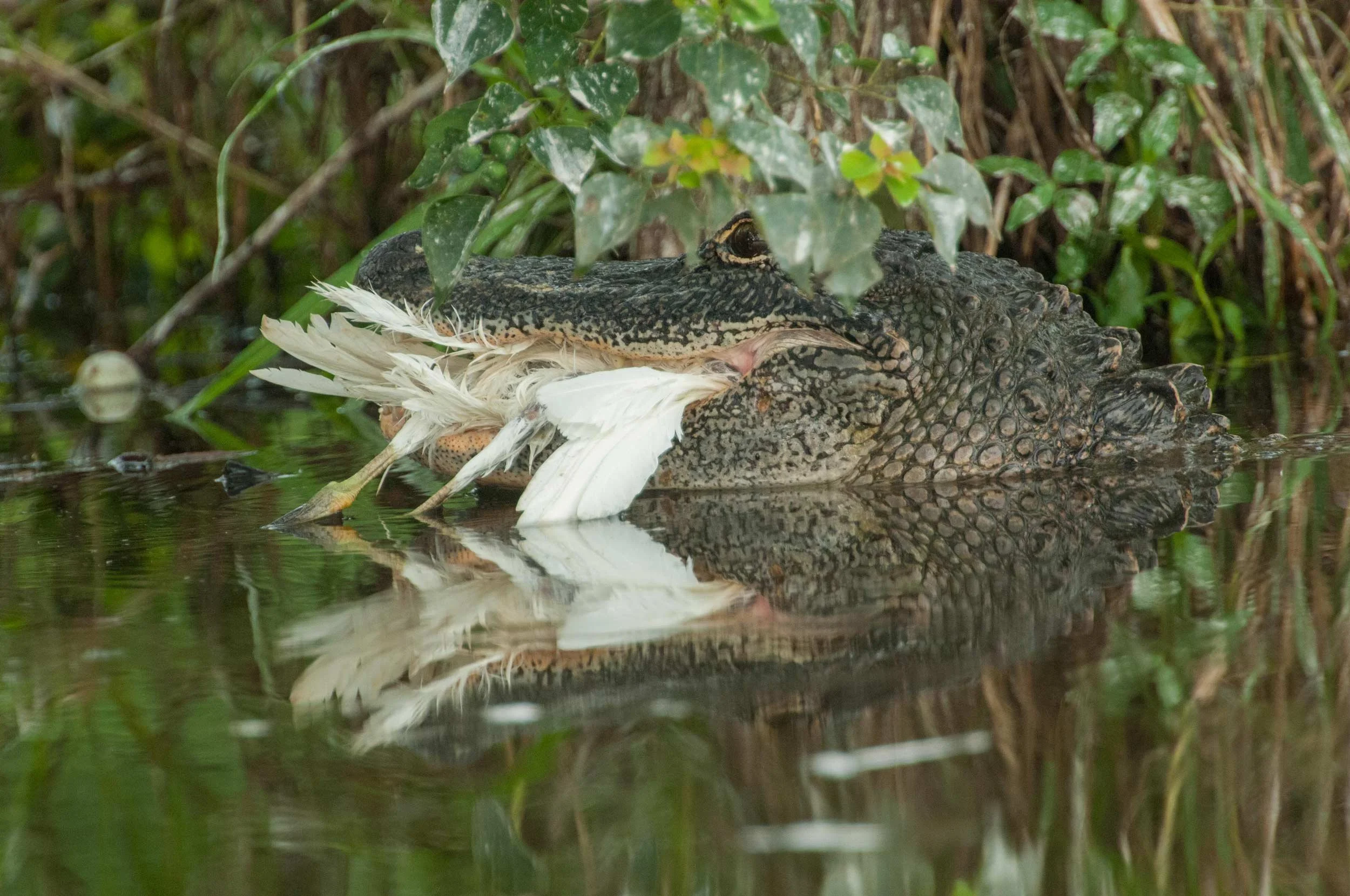
One of the most fascinating aspects of photographing Louisiana’s swamps is watching the complex relationships between the wildlife that lives there.
My newest blog article explores the role alligators play in bird rookeries and includes several short videos captured during a recent visit. It’s a fascinating reminder that nature is rarely as simple as it first appears.
I hope you’ll take a few minutes to read the article and watch the videos.
⸻
Thank you for following my photography and for your continued support. I hope to see many of you in the swamps this fall or next spring.